
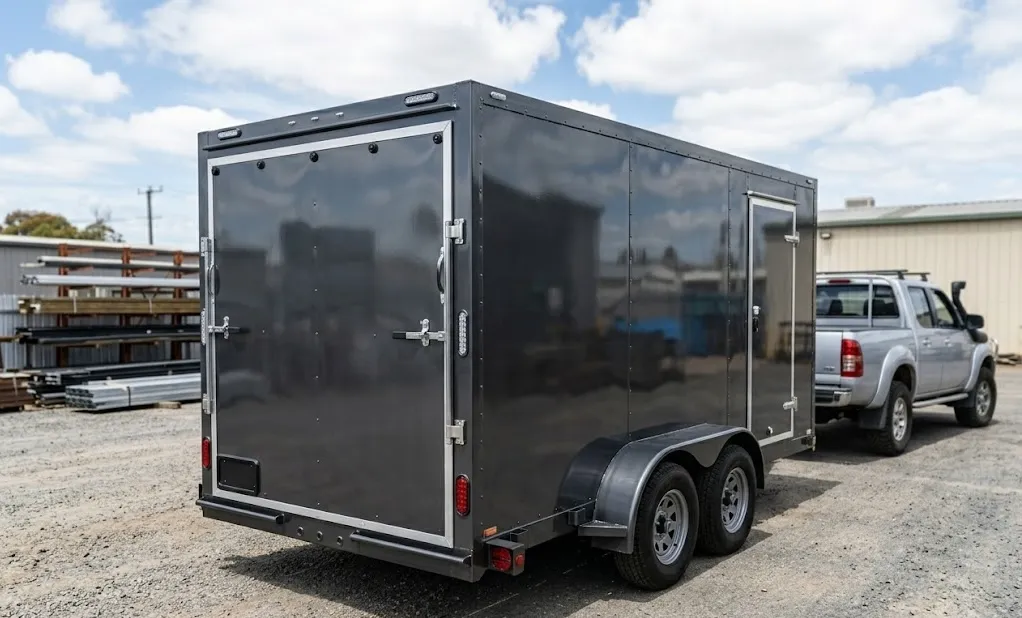
Color might seem like a small detail—until your trailer has been out in the sun for a few months, picking up dust, scratches, and road wear.
Then it matters.
The color you choose affects more than how your trailer looks. It plays a role in heat absorption, how often it needs cleaning, how visible it is on the road, and even how professional your setup feels to others.
If you’re deciding between different trailer paint colors, it helps to look beyond personal preference and think about how that color will perform over time.
Why Trailer Color Isn’t Only About Appearance
It’s easy to focus on what looks good at first glance. But trailers are exposed to weather, sunlight, and constant use. That means color choice becomes a practical decision.
Some trailer colors hide dirt better. Others reflect heat more effectively. Some show scratches easily, while others maintain a cleaner look with minimal effort.
If your trailer is used for work, the color also becomes part of how people perceive your business. A clean, consistent look can leave a stronger impression than you might expect.
Dark Colors vs Light Colors: What to Expect
One of the most common decisions comes down to choosing between darker and lighter shades.
Dark Trailer Colors
Darker options like black, charcoal, or deep blue often give trailers a clean, bold look. They tend to feel more polished and are popular for business use.
But they also:
- Absorb more heat in direct sunlight
- Show dust, scratches, and swirl marks more easily
- Require more frequent cleaning to maintain appearance
They look sharp—but they demand a little more upkeep.
Light Trailer Colors
Lighter shades like white, silver, or light gray are more forgiving.
They typically:
- Reflect sunlight and stay cooler
- Hide dust and minor wear better
- Require less frequent cleaning
These trailer paint colors are often chosen for practical reasons, especially for trailers used daily or stored outdoors.
Choosing Colors for Work vs Personal Use
How you use your trailer should influence your color choice.
If the trailer supports a business, color plays a role in branding. Neutral tones like black, white, or gray often create a more professional and consistent look. They also pair well with logos or decals.
For personal use, you might have more flexibility. You can choose something that stands out or matches your vehicle.
Either way, the goal is the same: select a color that still looks good after regular use—not just on day one.
How Finish Affects Durability
Color is only part of the equation. The finish also matters.
Gloss finishes tend to reflect light and highlight the color, giving the trailer a cleaner appearance. However, they can show imperfections more easily.
Matte or satin finishes reduce glare and hide minor scratches better, but they may require different cleaning methods to maintain their look.
When comparing trailer colors, think about how the finish will hold up in your specific environment.
Which Trailer Color Makes Sense for You?
Think about how your trailer is used most of the time.
- If it’s parked outside in the sun → lighter colors will hold up better
- If it’s part of your business → darker or neutral tones create a cleaner look
- If it’s used occasionally → you have more flexibility to choose based on style
The right choice depends less on the color itself and more on how the trailer fits into your routine.
Wagoneer Trailers: Built to Look Good and Work Hard
A trailer should do more than just get the job done—it should hold up over time and still look solid after real use.
At Wagoneer Trailers, we build and sell enclosed trailers across Georgia designed for durability, function, and everyday hauling. From structure to finish, we focus on trailers that handle the demands of the road while maintaining a clean, professional appearance.
We help you choose a trailer that fits your work, your style, and how you actually plan to use it.

Cameron Fitzgerald
Owner of Wagoneer Trailers since 2019. Combines 9+ years of transportation industry expertise with a focus on customizable trailer solutions and customer-centric financing.
