
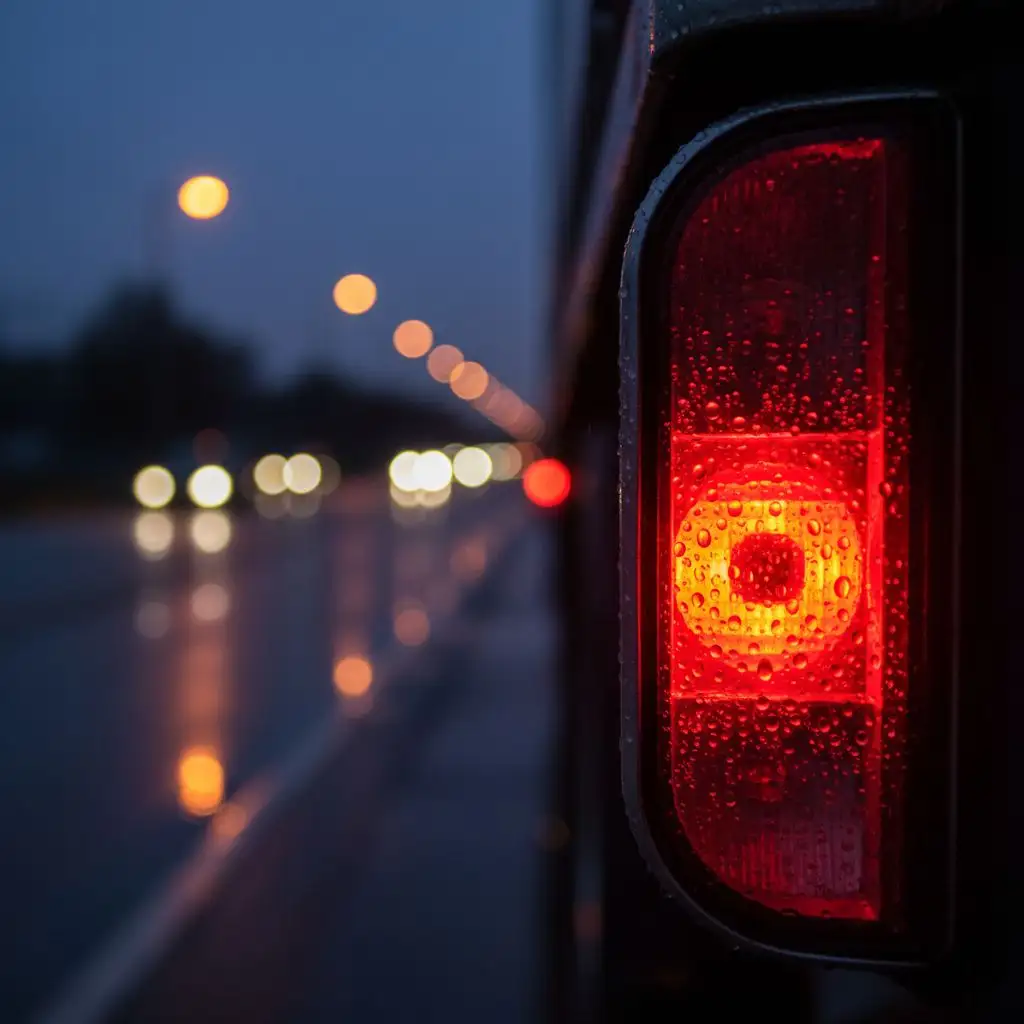
Finding dependable lighting on the road can feel overwhelming when you’re scrolling through pages of accessories and even complete concession trailers for sale. Burned-out bulbs, mystery wires, and mismatched housings often leave owners guessing—and guessing wrong means tickets, delays, or worse, accidents.
In this guide, we untangle the confusion. You’ll discover the origins of lamps for trailer safety, what makes them mandatory, and how to select the right assemblies from a trusted trailer dealership in Georgia. Keep reading to turn your next night haul into a brilliantly lit success.
The Power of Trailer Lamps
Long before LED circuits, caravans relied on kerosene lanterns swinging from hooks. Today, lamps for trailer safety are built into federal and state laws, requiring brake, turn, and marker signals that other motorists can instantly understand. Modern housings use polycarbonate lenses and vibration-proof diode boards, delivering bright output while consuming little amperage. They protect your cargo, reputation, and wallet by preventing citations and collisions.
A complete lighting kit for trailers usually bundles side markers, reflectors, wiring, and mounting hardware in one box. Pair it with a bright taillight for trailers and you’re visible from every angle. Behind the glow, color-coded conductors feed each circuit; studying a clear wiring diagram for trailers helps prevent shorts and dim flickers.
Bright Ideas for Perfect Trailer Lighting
To help you choose wisely, the sections below break down the most important factors to consider—from lamp types and durability to wiring practices and future-proofing upgrades:
1. Know Your Lamp Types
Incandescent, halogen, and LED each shine differently. Trailer LED marker lights last up to 50,000 hours and resist shock, which is why they dominate the market today.
2. Pick Durable Materials
Look for die-cast aluminum backs and sealed poly lenses. Rugged housings bolt firmly with a corrosion-resistant trailer light bracket, shielding electronics from road spray.
3. Gauge Brightness and Beam Pattern
A lumen rating over 500 guarantees stop signals pierce fog, while diffused side markers spread light without blinding fellow drivers. A high-efficiency taillight for trailers, rated IP67, ensures those lumens stay bright in storms.
4. Seal the Wiring Path
Route harnesses through split loom, add dielectric grease, and finish with heat-shrink butt connectors. A watertight route saves hours of troubleshooting.
5. Verify Legal Placement
Measure lamp height and spacing against FMVSS 108. Red belongs aft, amber up front; stay compliant to avoid roadside inspections.
6. Match Connectors with Diagrams
Round, flat, 4-, 5-, and 7-way plugs all differ. Review your wiring diagram 7-pin plug trailer before crimping leads so brakes, tails, and reverse lights respond on cue. Keep a laminated wiring diagram for your trailer in your toolbox, so helpers can quickly trace circuits.
7. Future-Proof with Plug-and-Play Upgrades
Choose modular fixtures compatible with the 7-way trailer plug wiring diagram you already use. Swapping in backup cameras or accent LEDs later becomes a five-minute job.
Brighter Roads Ahead with Wagoneer Trailers
At Wagoneer Trailers in Georgia, we’ve hauled freight and memories under every sky, so we understand the confidence a properly lit rig delivers. We craft durable cargo, utility, and specialty rigs, from a versatile 7×16TA to an 8.5×22′ smoker, and we light them to perform mile after mile.
If you’re ready to step beyond guesswork and into a trailer built around you, backed by lamps engineered to shine, let’s make it happen. Get in touch with our team today!

Cameron Fitzgerald
Owner of Wagoneer Trailers since 2019. Combines 9+ years of transportation industry expertise with a focus on customizable trailer solutions and customer-centric financing.
