
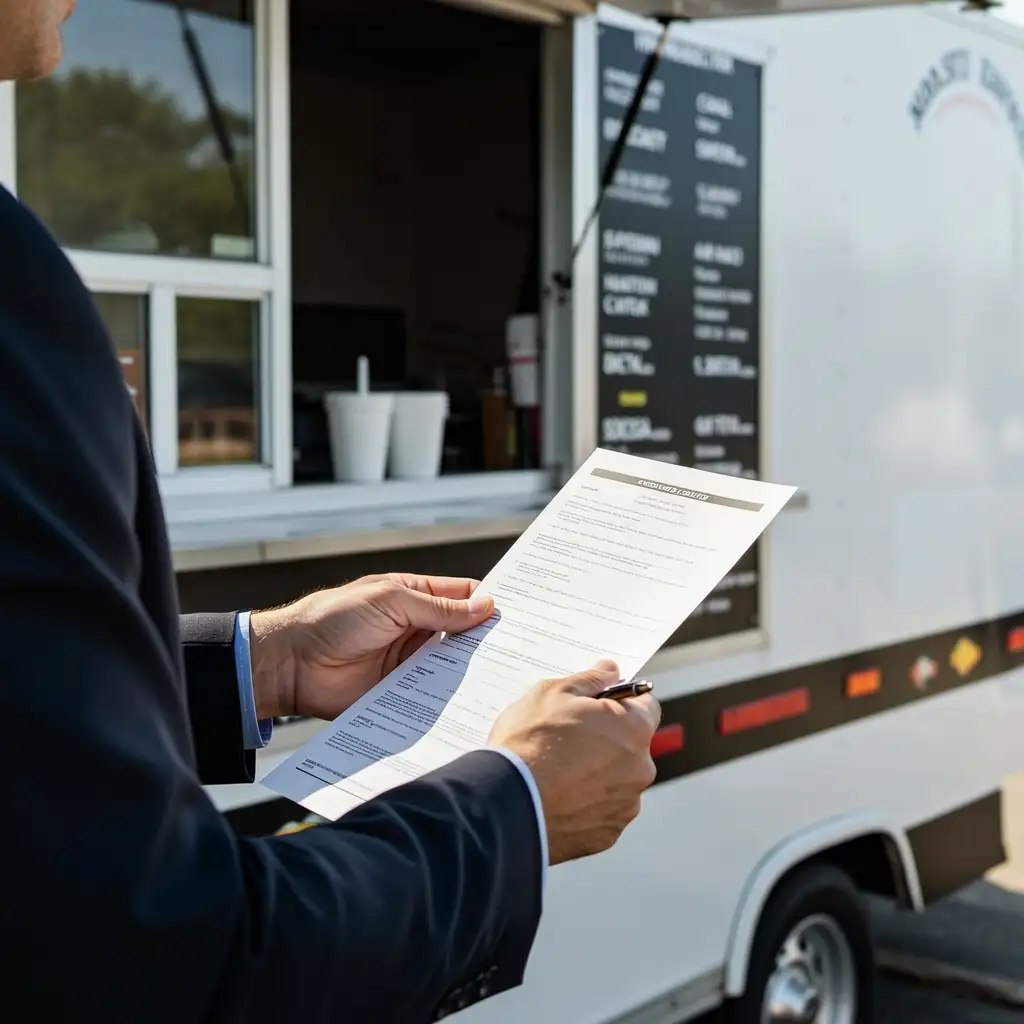
Running a food trailer is exciting, but unexpected events can put your business at risk. Fire, theft, accidents, equipment damage, and customer injuries can all lead to expensive setbacks. In some cases, one uninsured incident could interrupt your operations or make it difficult to reopen quickly.
That’s where food trailer insurance comes in. The right policy helps protect your trailer, equipment, income, and customers while giving you more confidence on the road. Whether you are launching a new mobile food business or upgrading to a concession trailer with porch, understanding insurance early can help you budget smarter and avoid surprises.
This guide breaks down food trailer insurance costs, coverage options, pricing factors, and the documents you may need before requesting a quote. Keep reading to learn what to expect before you hit the road.
How Much Does Food Trailer Insurance Cost?
Food trailer insurance costs can vary based on your trailer value, equipment, location, coverage limits, and business operations. However, many food trailer owners can expect to pay anywhere from a few hundred dollars to several thousand dollars per year, depending on the policies they choose.
Here is a general estimate of common coverage costs:
| Coverage Type | Estimated Annual Cost |
| General Liability Insurance | $400 – $800 |
| Commercial Auto Insurance | $1,200 – $2,500 |
| Commercial Property Insurance | $500 – $1,500 |
| Business Interruption Insurance | $300 – $1,000 |
| Full Food Trailer Insurance Package | $1,500 – $5,000+ |
These numbers are only estimates. Your exact food trailer insurance cost will depend on your trailer setup, where you operate, how often you travel, and how much protection your business needs.
What Determines Food Trailer Insurance Cost?
Understanding food trailer insurance costs starts with learning what insurers consider. Here are the main factors that impact what you’ll pay.
How Your Trailer Type and Value Affect Insurance Rates
The type and value of your trailer directly influence insurance pricing. A basic trailer with limited equipment may cost less to insure than a fully customized food trailer with cooking appliances, plumbing, electrical systems, and service windows.
You may also need to consider enclosed vs open trailer options. Enclosed trailers often cost more to insure because they usually have higher replacement values and may contain more expensive equipment.
How Coverage Limits Change Your Premium
Coverage limits determine how much your policy may pay after a covered loss. Higher limits can offer better protection, but they also usually come with higher premiums.
For example, a food trailer owner with expensive kitchen equipment, high daily sales, or frequent event travel may need more protection than someone who operates occasionally at a local market. Your policy should match your real risk level, not just the lowest available price.
Why Business Location and Operations Matter
Where and how you operate can also affect insurance rates. Busy city streets, large events, festivals, and high-traffic areas may increase risk. Some locations may also have stricter trailer safety requirements, permit rules, or vendor insurance minimums.
Insurers may also ask whether your trailer stays in one place or moves frequently. A trailer that travels to different events may need broader protection than one that remains mostly stationary.
How Trailer Customizations Impact Insurance Pricing
Customizations can increase your food trailer’s value and make your business more efficient, but they may also affect insurance costs. Specialty appliances, upgraded electrical systems, built-in refrigeration, custom counters, and a unique food truck model design can all raise repair or replacement costs.
Make sure your policy reflects your actual setup. If you underreport your equipment or trailer value, you may not have enough coverage when you need it most.
4 Essential Types of Food Trailer Insurance Coverage
When choosing insurance for food trailers, make sure you understand the main coverage types. Each one protects a different part of your business.
General Liability Insurance
General liability insurance protects your business from financial loss if a customer is injured, gets sick, or experiences property damage because of your operations.
This coverage is often required by event organizers, landlords, and municipalities. It can help with claims related to slip-and-fall accidents, foodborne illness, or accidental damage caused during service.
Commercial Auto Insurance
Commercial auto insurance helps protect your trailer while it is being towed or transported for business use.
Personal auto insurance may not cover business-related towing or commercial trailer use. If you move your trailer between events, catering jobs, or service locations, this coverage is especially important.
Commercial Property Insurance
Commercial property insurance helps cover the trailer, equipment, appliances, and inventory if they are damaged by fire, theft, vandalism, or another covered event.
This may include cooking equipment, refrigeration, generators, sinks, storage, and other business essentials. It can also support preventing trailer theft losses by helping you recover financially if your trailer or equipment is stolen.
Business Interruption Insurance
Business interruption insurance helps replace lost income if your food trailer cannot operate because of a covered event.
For example, if a fire damages your trailer and you need time for repairs, this coverage may help with lost revenue while your business is temporarily shut down.
What to Gather Before Calling an Insurance Agent
Before requesting a quote, gather as much information as possible. This helps insurance agents provide faster and more accurate pricing.
Have these details ready:
- Trailer VIN
- Bill of sale or purchase agreement
- Trailer make, model, year, and dimensions
- Estimated trailer replacement value
- List of installed equipment and appliance values
- Photos of the trailer interior and exterior
- Information about cooking equipment and fuel sources
- Business location and service areas
- Details about events, catering jobs, or mobile routes
- Trailer storage location when not in use
- Fire suppression system details, if applicable
- Any permits, licenses, or health department documents
The more complete your information is, the easier it is to get a policy that reflects your real business needs.
The Right Insurance Starts with the Right People
It’s wise to work with professionals who understand food trailer insurance. Mobile food businesses have different risks than traditional restaurants, and not every insurance agent understands the details of trailer-based operations.
A knowledgeable agent can help you compare coverage, meet vendor or event requirements, and avoid gaps that could leave your business exposed. They can also help you decide which policies are essential now and which ones may become more important as your business grows.
Always partner with someone who understands the challenges of mobile food operations, including equipment value, towing risks, food service liability, and local compliance rules.
Protect Your Food Trailer Investment Today
At Wagoneer Trailers, we offer more than custom trailers. We help business owners plan for the real-world details that come with launching and operating a mobile food business.
Whether you’re exploring upgrades, reviewing trailer safety requirements, or starting with a new concession trailer with a porch, our team can help you build with insurance, compliance, and long-term use in mind.
Ready to build your dream business? Design your custom concession trailer today, and we’ll provide the exact spec and value sheets you need to get a fast, accurate insurance quote.
DESIGN YOUR CUSTOM CONCESSION TRAILER TODAY

Cameron Fitzgerald
Owner of Wagoneer Trailers since 2019. Combines 9+ years of transportation industry expertise with a focus on customizable trailer solutions and customer-centric financing.
