
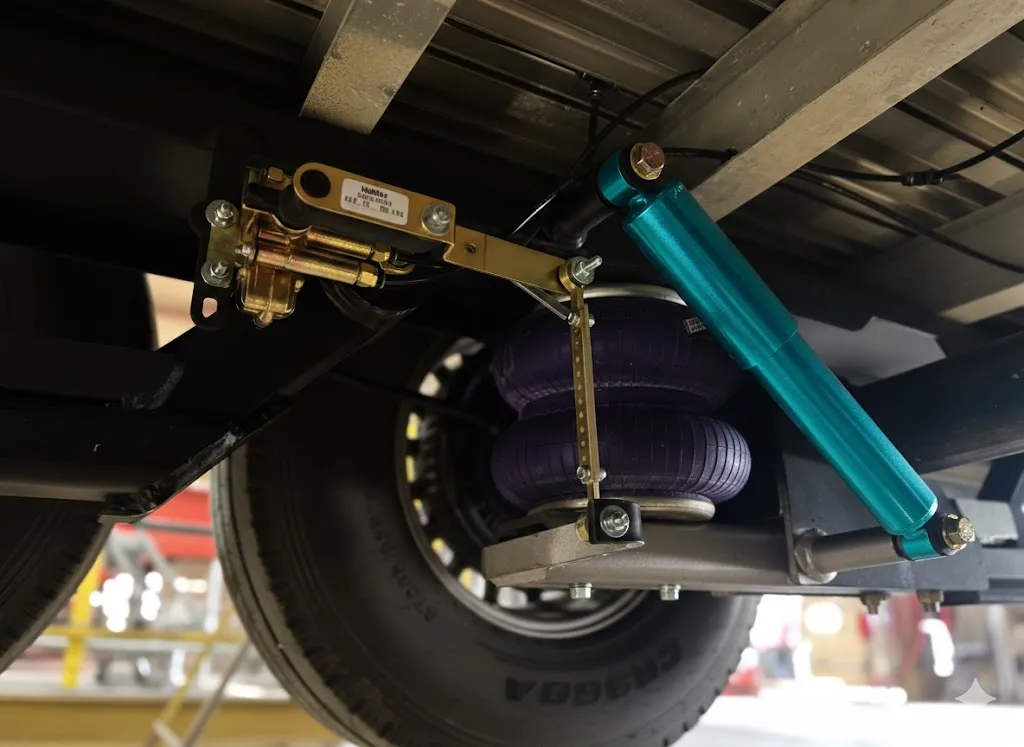
Ever felt your trailer buck and bounce over every pothole, leaving you white-knuckled on the steering wheel? Owning a cargo hauler, RV, or utility rig means depending on the undercarriage you rarely see—but always feel. The suspension choice determines how smoothly your tools, toys, or livelihood arrive.
In this blog, you’ll grasp exactly how torsion axle suspension works, how it compares with traditional designs, and what it takes to keep it humming mile after mile. Stick around, and you’ll discover practical tips, troubleshooting tricks, and clear answers to costs, lifespan, and DIY upkeep.
How a Torsion Axle Works Versus Leaf Springs
Choosing the best foundation for your trailer starts with understanding its core mechanics. Let’s compare the inner workings of torsion axles and the long-trusted leaf spring setup in two easy chunks.
A torsion axle houses sturdy rubber cords wrapped around an inner bar. These torsion axles for trailers isolate each wheel so that when one hits a bump, the arm rotates against those cords, absorbing shock independently. There are no shackles, u-bolts, or extra hardware swinging under the frame—just a sealed tube quietly flexing with every load change. Matching this design to the correct trailer axle sizes is essential for maintaining ride height, load balance, and long-term durability.
By contrast, a trailer axle with leaf springs uses stacked, curved steel leaves clamped to the frame. The spring pack flattens under weight, spreading force across hangers and equalizers. While proven and rebuildable, this system transmits vibrations throughout the frame and requires regular bushing and shackle inspections, as outlined in our guide to torsion vs spring axles.
Why Many Haulers Upgrade to Torsion
The following advantages persuade builders and weekend warriors alike. Each point dives into a different payoff you’ll notice from day one.
Smoother, Quieter Ride
Rubber cords dampen road chatter before it reaches the cargo box or your tow vehicle. You’ll feel fewer jolts on rough county roads, and your gear stays organized instead of rattling loose. Independent wheel movement even steadies a tandem axle setup by allowing each side to flex independently.
Lower Ongoing Maintenance
With the torsion mechanism sealed inside a tube, you can cross “grease shackles” off your checklist. There are no pivot bolts to tighten, and alignment stays put thanks to factory-welded brackets. Routine chores shrink to inspecting tires, bearings, and the trailer axle with brakes you already service.
Compact, Low-Profile Design
Because the torsion arm sits higher than the leaf spring hangers, the deck rides several inches lower. That drop eases ramp angles, lowers the center of gravity, and sneaks the trailer under many garage doors. Owners hauling tall loads or checking enclosed cargo trailer sizes appreciate the headroom it preserves up top. Many manufacturers now pre-install torsion axles for trailers rated up to 8,000 lbs to maximize this design benefit.
Where Torsion Can Test Your Wallet—or Patience
Perfection doesn’t exist in the trailer world, so let’s candidly cover two drawbacks that may influence your decision.
Higher Upfront Cost
Manufacturing rubber-cord axles is pricier than stamping spring steel. Expect to pay 20–30% more per axle, and adding custom brackets for specialty builds can raise that amount again. If you’re balancing the purchase price against the weight limit for single-axle trailer ratings, budget accordingly.
Limited Field Repairs
When a torsion tube wears out, rubber cords compress permanently, and the ride height sags. Unlike leaf packs, you can swap roadside, replacing a full torsion beam requires lifting the frame, cutting welds, and realigning mounts—often a shop job. Planning with proper capacity and mileage checks prevents mid-trip surprises. Exceeding the weight limit for single-axle trailer specs accelerates that wear, so verify capacity before loading.
Maintenance and Troubleshooting Made Simple
A well-kept suspension saves tires, fuel, and nerves. The next points outline a proactive routine any hands-on owner can follow.
Regular Visual Inspections
Start every season by sliding under the frame with a flashlight. Look for uneven arm angles, torn dust caps, or grease leaks at hubs. While you’re down there, compare arm heights side by side—any droop of more than half an inch signals rubber fatigue. Our overview of types of trailer suspension systems shows normal versus failed stance photos for reference. While upgrading from a trailer axle with leaf springs to a torsion axle, use those photos to benchmark progress.
Bearing and Brake Service
Even sealed torsion beams rely on healthy bearings and stopping power. Every 12 months or 12,000 miles, jack each wheel, spin it, and listen for a grind. Repack or replace bearings, and adjust brake shoes or disc calipers as needed. Inspect every trailer axle with brakes for magnet wear and cracked wiring while the drums are off.
Alignment and Torque Checks
Torsion brackets are welded, yet wheels can still toe out from pothole abuse. Measure the distance between the front and rear tire edges with a tape measure; discrepancies of more than ¹/₈ inch warrant a professional alignment. Owners of a tandem-axle cargo rig should measure both axles to ensure the pair stays parallel. Finally, re-torque lug nuts after the first 50 miles post-service to lock everything down.
Rolling Forward with Wagoneer Trailers’ Expertise
We’ve explored how torsion axles cushion rides, trim maintenance, and occasionally stretch budgets—but there’s more to choosing the right setup than specs alone. At Wagoneer Trailers in Georgia, we craft cargo haulers, concession rigs, and equipment wagons engineered around your real-world routes and payloads.
As a well known trailer dealership in Georgia, our team pairs decades of fabrication know-how with genuine listening. We’ll help you weigh torsion, spring, and hybrid solutions, select capacities, and schedule service so your livelihood stays on the move. Let’s talk about the roads you travel and build the right suspension for your new trailer.

Cameron Fitzgerald
Owner of Wagoneer Trailers since 2019. Combines 9+ years of transportation industry expertise with a focus on customizable trailer solutions and customer-centric financing.
