
Buying a trailer without checking your towing capacity first is a little like buying furniture before measuring the room.
It might work out perfectly. Or it might become a very expensive realization halfway through the process.
A lot of trailer buyers focus on dimensions first: “Will the equipment fit?” “Do I need more interior space?” “Should I go with tandem axles?” Those are important questions—but none of them matter much if the tow vehicle can’t comfortably handle the load.
Before choosing a trailer, the smartest thing you can do is figure out exactly what your vehicle is built to tow.
The Number Most People Look Up First
Usually, the first question sounds something like this:
“How much can my vehicle tow?”
Simple question. Slightly less simple answer.
You’ll probably find a towing number online within seconds, but that number doesn’t always tell the whole story. Manufacturers often calculate maximum towing under ideal conditions: minimal cargo, proper equipment, and optimized towing setups.
Real-world hauling looks different.
Passengers, tools, fuel, cargo inside the trailer, and even road conditions all affect how your vehicle performs while towing.
That’s why understanding vehicle towing capacity is less about finding one magic number and more about understanding your complete setup.
Why Towing Feels Easy for Some Vehicles—and Terrible for Others
Two vehicles can technically tow the same weight and feel completely different doing it.
One feels stable and controlled. The other feels like it’s fighting the trailer every mile.
The difference usually comes down to how the vehicle was designed.
Several things influence trailer towing capacity, including:
| Vehicle Feature | Why It Matters |
| Engine size | Affects pulling power |
| Suspension | Supports weight and stability |
| Braking system | Controls stopping distance |
| Wheelbase length | Improves towing balance |
| Axle ratio | Changes pulling performance |
| Tow package | Adds towing-specific equipment |
This is why towing isn’t only about horsepower. Stability matters just as much as strength.
The Trailer Weight Isn’t What You Think It Is
This is where buyers accidentally underestimate things all the time.
The trailer’s listed weight is usually the empty weight.
That means it does not include:
- Equipment
- Tools
- Vehicles
- Inventory
- Water tanks
- Shelving or upgrades
A trailer that looks manageable on paper can become much heavier once it’s actually loaded for work or travel.
That’s why knowing your vehicle’s towing capacity means calculating for the trailer’s real working weight, not the empty shell sitting on the lot.
The Easiest Way to Avoid Buying Too Much Trailer
Here’s a good rule that experienced haulers follow:
Don’t shop at your maximum limit if you can avoid it.
Technically, your vehicle might be able to tow a certain amount. But towing comfortably and towing at the limit every day are two different experiences.
Operating too close to the maximum rating can affect:
- Braking feel
- Fuel economy
- Suspension wear
- Transmission stress
- Highway stability
Leaving some breathing room usually creates a smoother, safer towing experience long-term.
A good towing capacity guide helps you find balance—not only the highest number possible.
What People Often Forget to Include
Towing calculations usually focus on the trailer itself. But the vehicle matters too.
Everything loaded inside the tow vehicle affects capacity:
- Passengers
- Tools
- Cargo in the truck bed
- Coolers and equipment
- Aftermarket accessories
All of that weight adds up.
So when asking, “How much can my vehicle tow?” remember the vehicle carries weight and pulls weight at the same time.
That combined load affects overall performance.
A Better Way to Think About Trailer Shopping
Instead of asking:
“Can my vehicle tow this trailer?”
Try asking:
“Will this setup still feel stable after three hours on the highway?”
That changes the conversation completely.
Because a comfortable towing setup usually means:
- Better control in traffic
- Less trailer sway
- Reduced driver fatigue
- More confident braking
- Smoother long-distance hauling
The best trailer setup isn’t always the biggest trailer your vehicle can pull. It’s the one your vehicle handles confidently.
A Few Smart Checks Before You Buy
Most towing problems start before the trailer even leaves the lot.
A few simple checks help avoid expensive mistakes later.
Verify Your Tow Rating Directly From the Manufacturer
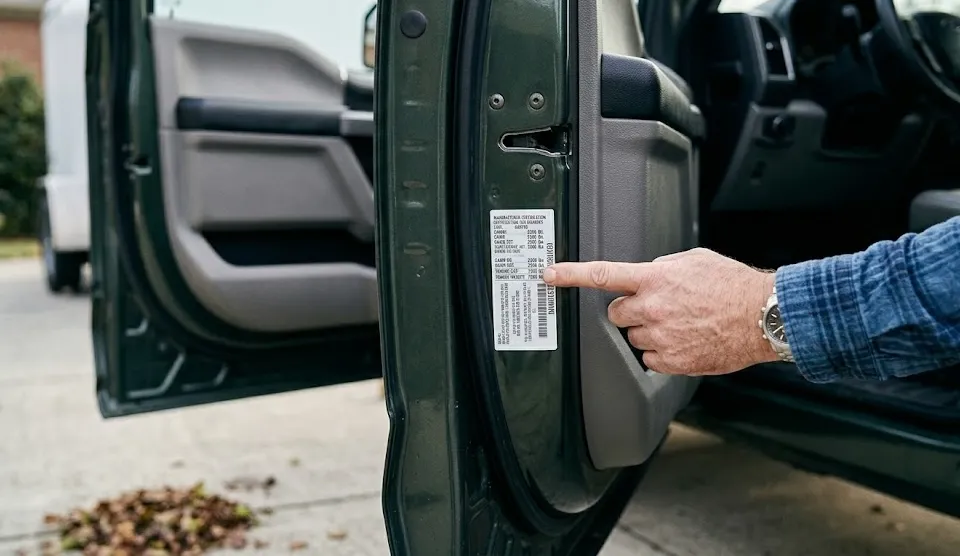
Online forums and guesswork aren’t enough. Use your VIN, owner’s manual, or manufacturer guide for accurate ratings.
Think About Future Cargo
Today’s setup may change six months from now. Buy with future hauling needs in mind.
Check Hitch Compatibility
The hitch class matters just as much as towing numbers. Everything needs to work together safely.
Pay Attention to Trailer Length
Longer trailers affect handling differently, especially in wind or traffic.
Don’t Ignore Brake Requirements
Heavier trailers often require trailer brakes depending on state regulations and load weight.
A little planning upfront usually prevents much bigger problems later.
Wagoneer Trailers: Helping You Find a Trailer That Actually Fits Your Setup
At Wagoneer Trailers, we know trailer shopping isn’t only about finding more space—it’s about finding the right balance between trailer size, weight, and towing confidence.
We help customers across Georgia choose enclosed trailers designed for real-world hauling, not unrealistic numbers on paper. Whether you’re hauling equipment, vehicles, or commercial cargo, we help match the trailer to both your workload and your tow vehicle.
Because the right trailer should feel stable behind your vehicle—not like something you’re constantly fighting to control.

Cameron Fitzgerald
Owner of Wagoneer Trailers since 2019. Combines 9+ years of transportation industry expertise with a focus on customizable trailer solutions and customer-centric financing.
