Wagoneer Trailers

general

general

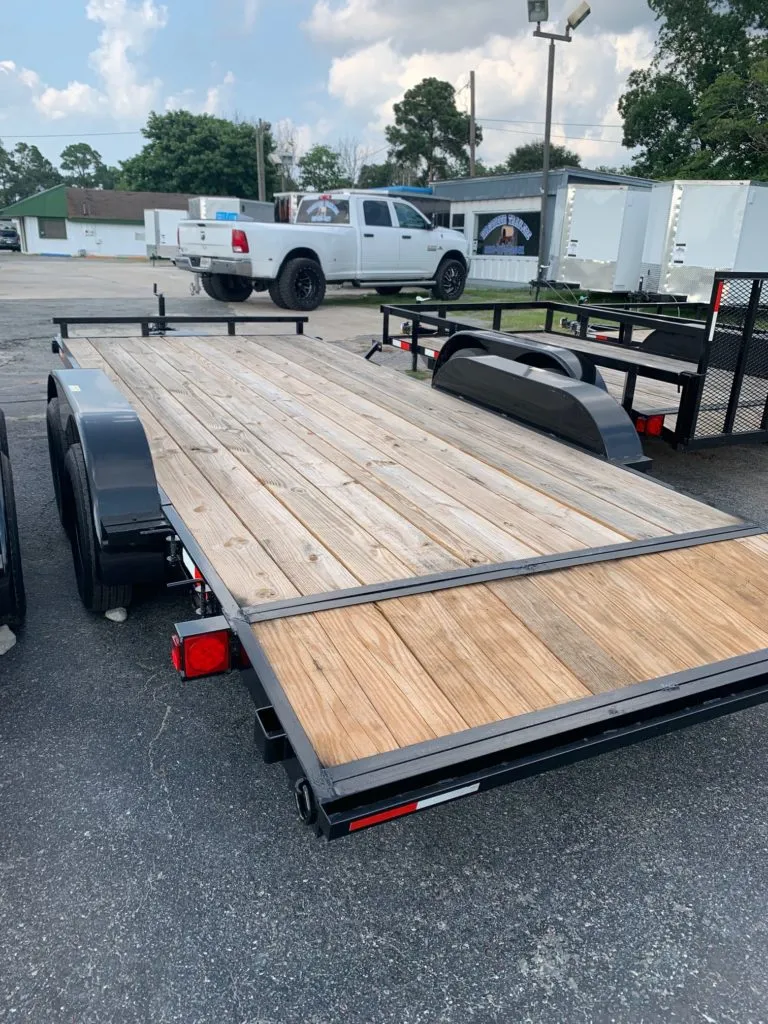
Low-angle rear view of a wooden-deck utility trailer parked on a paved lot

Low-Ground Trailers: Hydraulic, Air-Ride, and Drop-Deck Options for Easy Loading

Not all trailers load the same way. Some require long ramps and careful maneuvering, while others allow vehicles or equipment to roll on with very little effort. The difference usually comes down to trailer height and loading angle. Many operators choose trailers that lower to the ground because they simplify loading and reduce the risk

Low-Ground Trailers: Hydraulic, Air-Ride, and Drop-Deck Options for Easy Loading Read More »
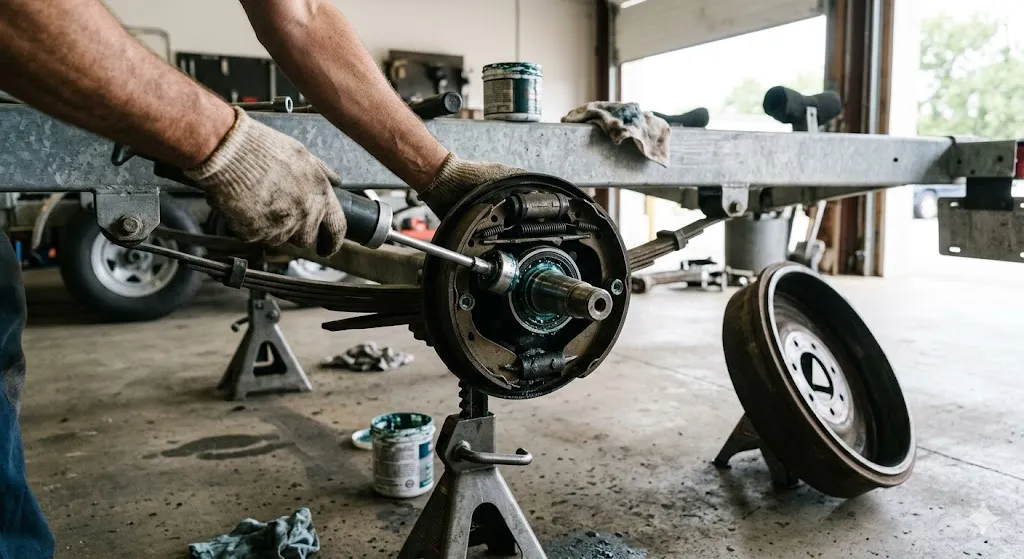
A mechanic in gloves uses a grease gun to service the hub and drum brake assembly of a trailer axle

Trailer Axle Parts: Diagram, Identification, and Essential Maintenance Tips

Most trailer problems don’t start with something dramatic. They start with a small component wearing down — a loose bearing, a worn brake shoe, or a damaged hub. The axle system sits at the center of all of this. It supports the trailer’s weight, keeps the wheels aligned, and allows the suspension and braking system

Trailer Axle Parts: Diagram, Identification, and Essential Maintenance Tips Read More »

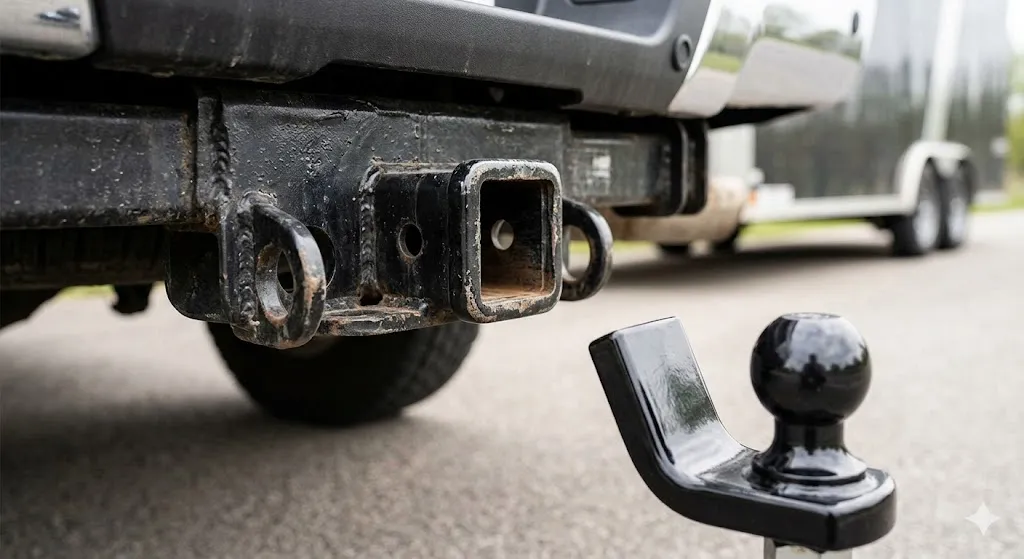
Close-up of a black metal trailer hitch receiver on a vehicle with a ball mount hitch sitting unattached nearby.

Hitch Receiver Sizes: Choosing the Right Class and Capacity for Your Trailer

You’ve picked the trailer. The size works, the cargo capacity looks good, and it fits the kind of hauling you plan to do. Then another question shows up: Will your hitch actually handle the trailer? Not every hitch receiver is built the same. Tow vehicles use different receiver sizes and hitch classes, each designed for

Hitch Receiver Sizes: Choosing the Right Class and Capacity for Your Trailer Read More »

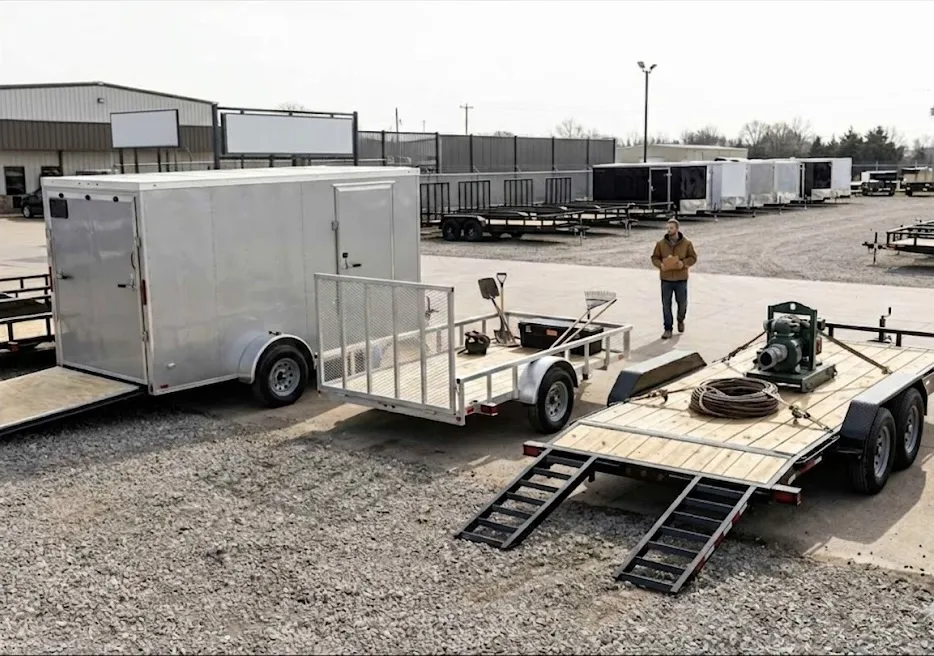
Three different types of trailers—an enclosed cargo trailer, a utility trailer, and a flatbed trailer—parked in a gravel lot

Choosing the Right Trailer: Cargo, Utility, Flatbed, and Custom Builds Explained

The moment you start looking for a trailer, one question shows up quickly: Which type do you actually need? There are several types of trailers for hauling, and each one is designed with a specific purpose in mind. Some trailers protect cargo from weather and theft. Others are built to simplify loading heavy equipment. Some

Choosing the Right Trailer: Cargo, Utility, Flatbed, and Custom Builds Explained Read More »

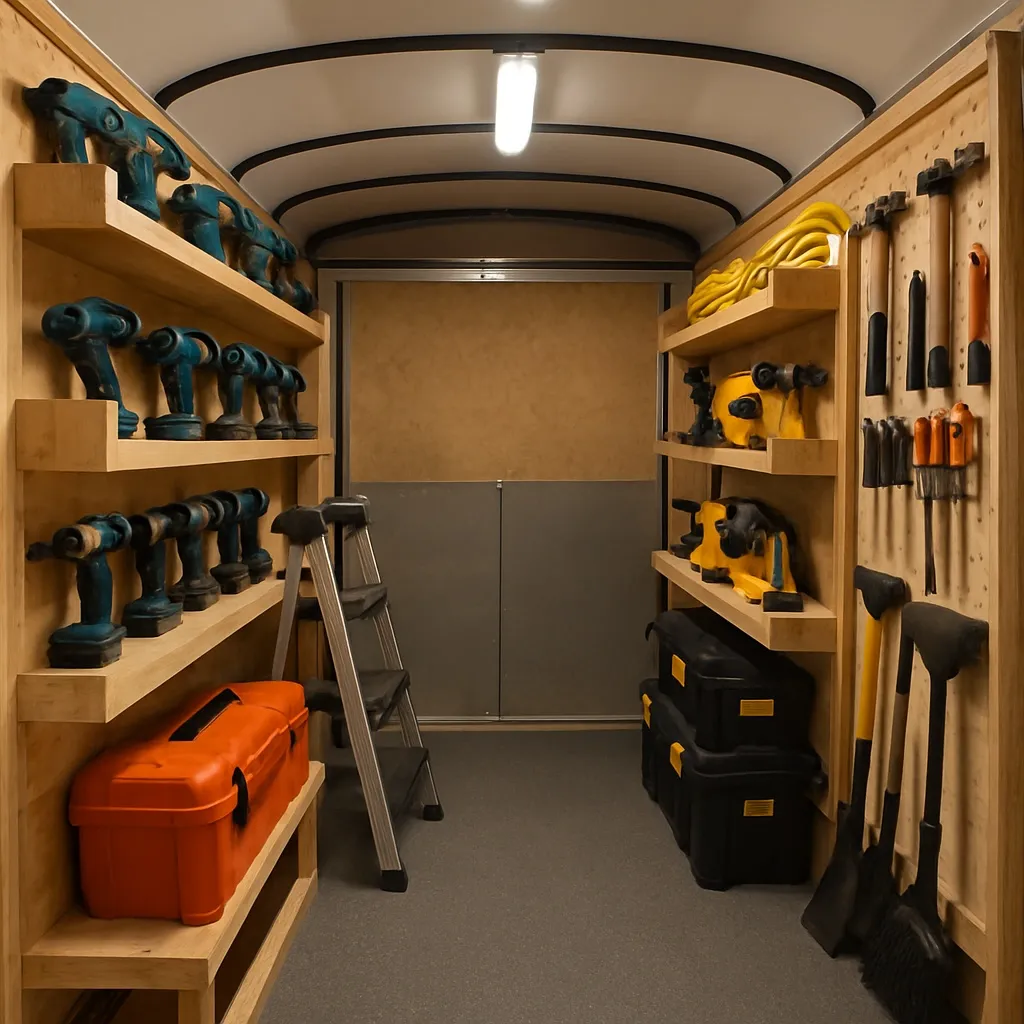
Interior of an organized enclosed trailer featuring custom wooden shelving filled with power tools and a wall rack for hand tools.

Maximize Space: DIY Shelving and Storage Racks for Your Cargo Trailer

Open the door of a cargo trailer after a few weeks of hauling tools, equipment, or supplies, and things can start looking chaotic fast. Boxes slide around, straps get buried, and finding the right tool suddenly takes longer than it should. Adding storage systems inside your trailer changes that. Shelving, racks, and organized mounting points

Maximize Space: DIY Shelving and Storage Racks for Your Cargo Trailer Read More »

Tools ready for how to change a trailer tire with proper mounting equipment on pavement

Trailer Brake Installation: Wiring, Controller Setup, and Troubleshooting Guide

A trailer that won’t stop properly is something you notice immediately. The vehicle slows down, but the trailer keeps pushing forward. That extra force affects control, increases stopping distance, and can make towing stressful instead of smooth. Trailer brakes solve that problem by allowing the trailer to slow down with the vehicle instead of relying

Trailer Brake Installation: Wiring, Controller Setup, and Troubleshooting Guide Read More »

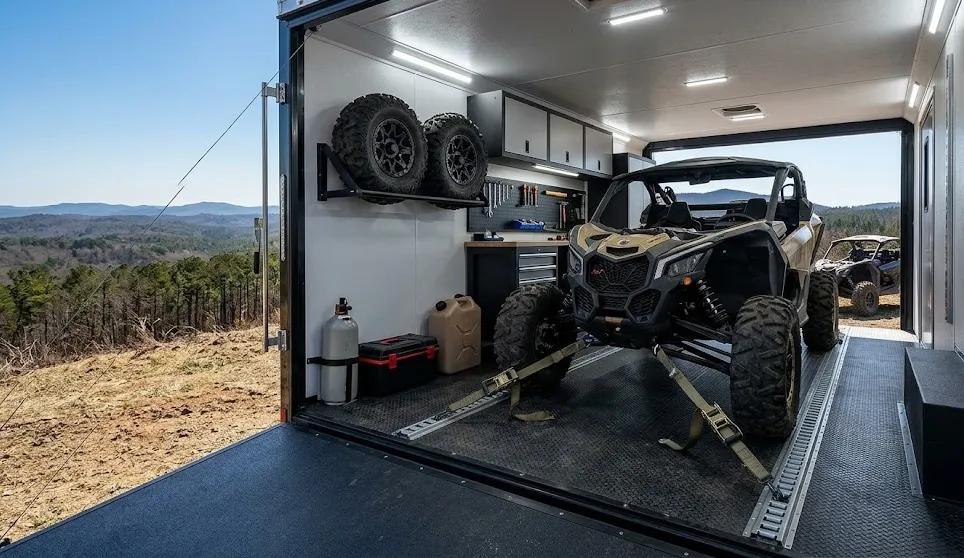
An interior view of a modern enclosed trailer containing a secured UTV, spare tires on a wall rack, and a organized workbench with tools.

Buyer’s Guide: Selecting the Best Enclosed Trailer for UTV Transport

Transporting a side-by-side vehicle requires more than simply finding a trailer that fits the machine. UTVs are wide, tall, and often heavy, so the trailer you choose needs the right interior space, loading setup, and structural support. An enclosed side by side trailer protects your equipment from weather, road debris, and theft while providing a

Buyer’s Guide: Selecting the Best Enclosed Trailer for UTV Transport Read More »

A double axle trailer with labels for GVWR and GAWR, featuring a formula for calculating payload.

Maximize Payload: Understanding Double Axle Trailer Weight Capacity (GVWR, GAWR)

When hauling equipment, vehicles, or materials, trailer capacity matters just as much as trailer size. Many buyers focus on length or width first, but the real question is how much weight the trailer can safely carry. That’s where double axle trailer weight capacity becomes important. Trailers with two axles are built to support heavier loads

Maximize Payload: Understanding Double Axle Trailer Weight Capacity (GVWR, GAWR) Read More »

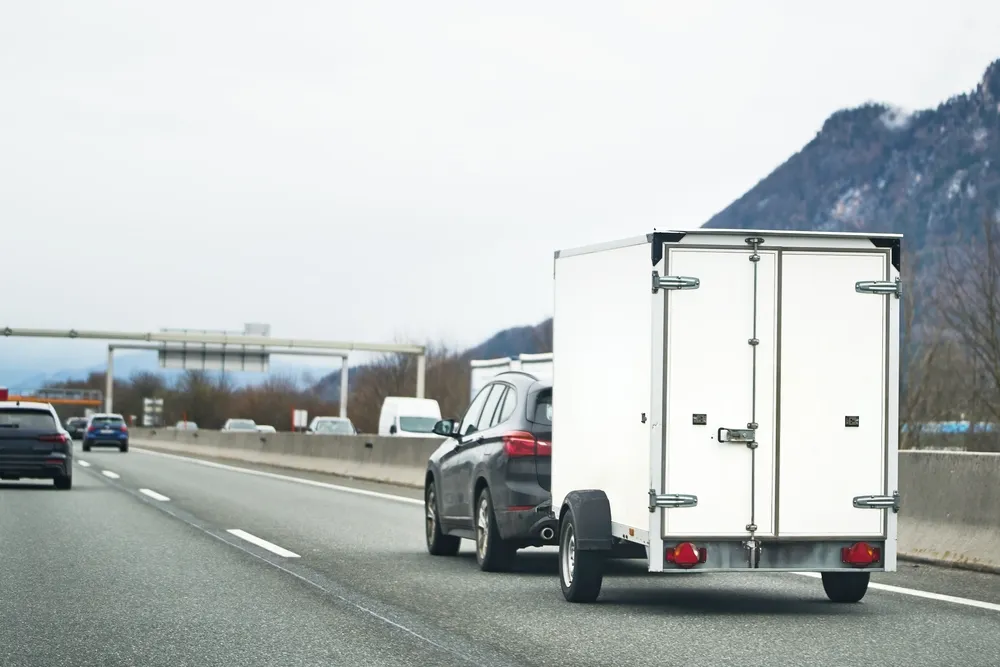
Car hauling small trailer on the road

Stop Trailer Bouncing: Causes, Fixes, and Prevention for a Smooth Tow

If your trailer feels like it’s jumping, shaking, or lifting slightly off the pavement while you drive, you’re not imagining it. A bouncing trailer isn’t just uncomfortable — it can affect steering control, increase tire wear, and place extra strain on your suspension and hitch. Many owners notice it most when towing without cargo. You

Stop Trailer Bouncing: Causes, Fixes, and Prevention for a Smooth Tow Read More »